
Welcome to the next paradigm in healthcare.
Neuronutrition is the emerging, interdisciplinary field with implications for humanity that are far too important to ignore.

More than 50% of Americans have a neurological disease.
Most neurologists believe nutrition counseling is critical, but they don't feel prepared to provide it. Stress from trauma, grief, and burnout doesn't just affect the mind—it alters gene expression, accelerates cellular aging, and reshapes the brain and body's nutritional requirements over time.
The longer those needs go unaddressed, the harder recovery becomes. Not because patients aren't trying, but because the biological foundation for change hasn't been fully supported.
There's a gap in clinical care.
Neuronutrition fills it.
What is Neuronutrition?
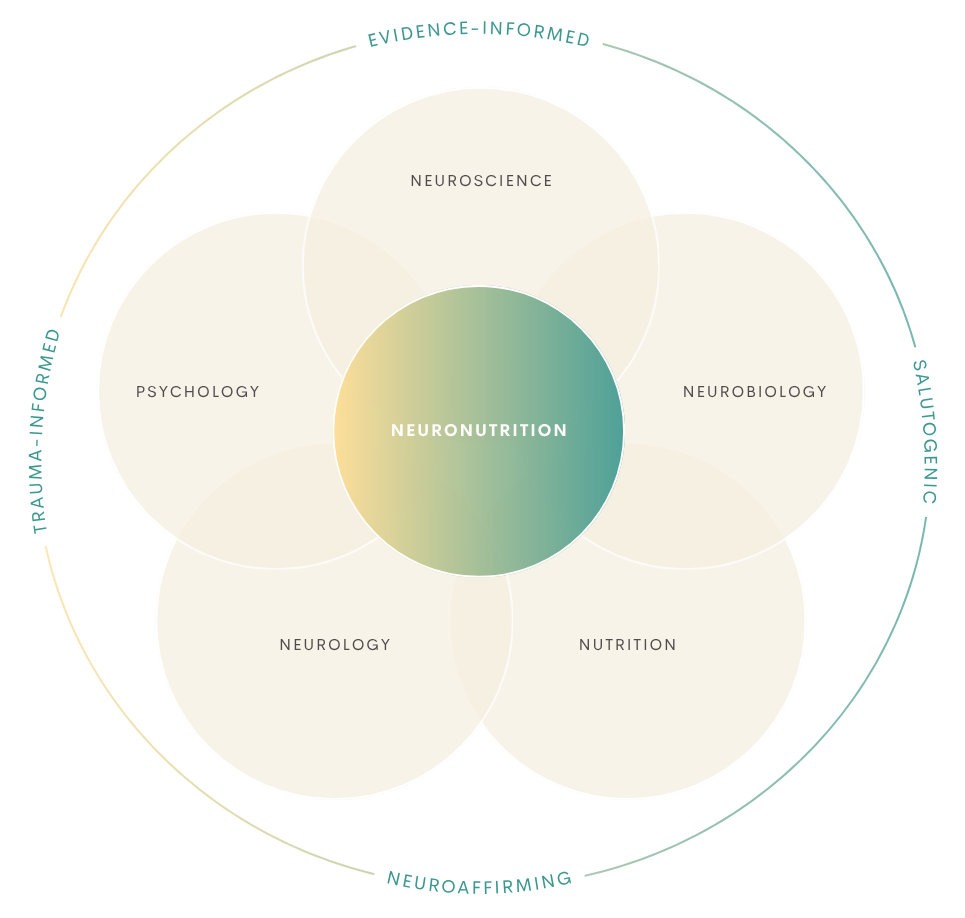
Neuronutrition is an interdisciplinary field integrating neurology, nutrition science, and psychology. It explores the bidirectional relationships between how our nervous system influences the way we eat, and how the way we eat influences our nervous system.
All nutritional behavior is driven by the nervous system—making neuronutrition essential for anyone working with human health and behavior.
The brain runs on raw materials. This is the science of supplying them.
Right now, as you read this, neuronutrients are working in your brain to provide the fuel, substrate, and information your brain needs to create and sustain consciousness.
Every thought your clients form, every memory they make, every emotion they navigate, every belief they hold—all of it depends on these fundamental building blocks.
You didn’t learn this in school.
Clinical education covers extensive information, but neuronutrition has largely lived outside the curriculum. Until now.
When you understand what the brain needs to regulate the nervous system, your existing clinical work gains new depth—and so does your ability to support meaningful, lasting outcomes for your clients.
The missing piece in your practice.
Neuronutrition isn’t about:
Generic supplement protocols
One-size-fits-all meal plans
Matching supplements with symptoms
It's about understanding the communication system between your clients' brains and bodies, so you can support real, lasting change.
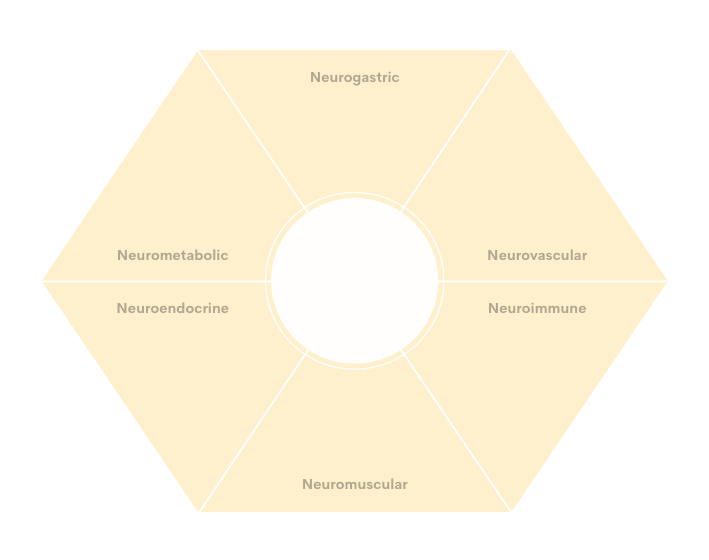
In other words, neuronutrition teaches you a new way to see and think about the body-brain-behavior connection.

“By bridging the gap between brain science and nutrition, neuronutrition education gives you the tools to address the root causes of your clients' symptoms, not just manage them.”

Timothy Frie
President, National Academy of Neuronutrition
Neuronutrition gives you a new lens for understanding every client you work with It builds on your existing training and amplifies what you already do well to support your clients.
For healthcare practitioners who believe there's always more to learn, neuronutrition belongs in your vocabulary.
The only way forward.
Get the world's first and only Accredited Neuronutrition Certification.
Join other healthcare practitioners who've transformed their practice and mastered the neuronutrition framework with the NANCP™ Certification Program.